· Aditi Raheja · Guides · 4 min read
Podcaster's Guide to Audio Description: Unlocking Accessibility at Scale
A practical guide to audio description for video podcasts, covering accessibility requirements, automated workflows, multilingual output, and production.
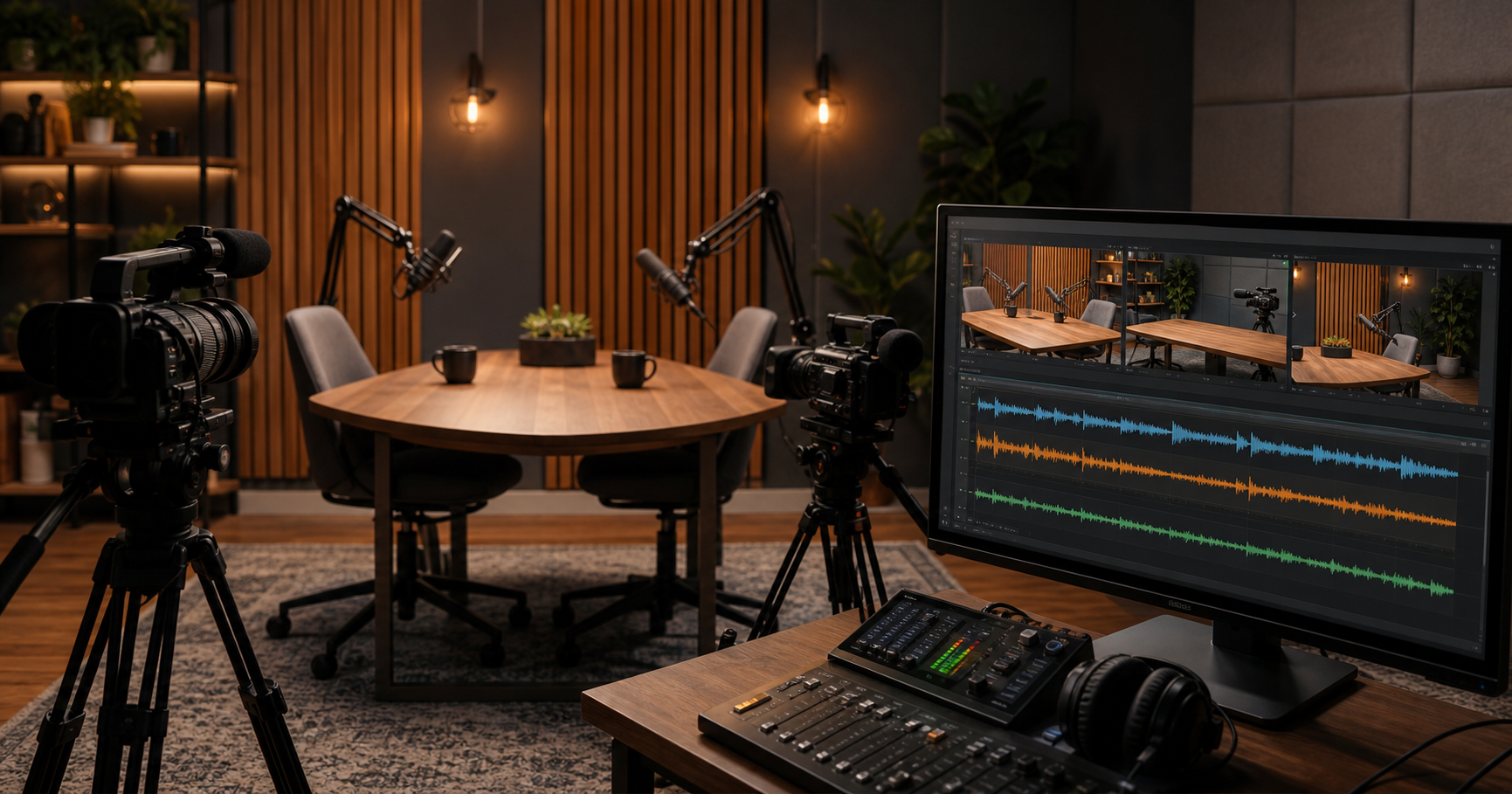
For digital podcasters, the media landscape has undergone a massive evolution. Audio is no longer confined to RSS feeds and speaker cones; video podcasts (vodcasts) are now distributed across YouTube, Spotify, and Apple Podcasts.
While video drastically expands audience reach, engagement, and cross-platform discovery, it introduces a new operational challenge: accessibility compliance.
As digital accessibility requirements expand globally, including rules for digital video content under frameworks such as ADA Title II and the European Accessibility Act, podcasters are discovering that publishing video interviews, studio discussions, and clip reels without accessibility features leaves blind and low-vision listeners behind.
This guide explores how video podcasters can navigate audio description (AD), understand the format requirements, and use fully automated AI workflows to make their content accessible without inflating production overhead.
Why Audio Description Matters for Modern Podcasters
Traditionally, podcast accessibility focused on text transcripts for audio-only episodes. But the rise of video podcasting changes the requirement.
When a podcast is recorded on camera, essential information is frequently communicated visually rather than verbally:
- Host and Guest Introductions: Visual cues like physical appearance, studio layout, or gestures that set the context of the conversation.
- On-Screen Artifacts: Visual references, book titles, data charts, or product demonstrations discussed on camera.
- Physical Dynamics: Reactions, environment shifts, or co-host interactions that add narrative meaning to the discussion.
Under accessibility standards such as WCAG 2.1 Level AA, prerecorded synchronized media containing essential visual elements must provide audio descriptions so that blind and low-vision audiences receive an equivalent experience.
Traditional Production Bottleneck
For independent podcasters and network production teams alike, adding audio description manually is difficult.
Traditional AD requires hiring a specialized scripter to review the video frame-by-frame, identify missing visual cues, draft precise descriptions that fit into natural pauses between speaker dialogue, and coordinate studio voiceover sessions to record the narration track.
For a weekly podcast releasing multiple video episodes, this manual workflow creates a production bottleneck in terms of both time and cost.
How Fully Automated AI Workflows Change the Equation
Modern multimodal AI has changed how audio descriptions can be produced for digital media. Instead of treating AD as a prohibitively expensive post-production luxury, automated platforms enable creators to scale accessibility across an archive without reproducing the entire manual workflow for every episode.
Multimodal Video Analysis
Advanced AI engines, such as Visonic AI, analyze video frames concurrently, tracking speaker identities, scene transitions, on-screen text, and visual actions. This allows the system to generate contextually accurate descriptions of what is happening on screen.
Seamless Integration and Multi-Language Packaging
Automated platforms handle the heavy lifting of timing, structural scaffolding, and multi-language output. Podcasters expanding into global markets can generate descriptions across Visonic AI’s 17 supported audio description languages, including 6 regional options, supporting accessible distribution without slowing down weekly release schedules.
Best Practices for Implementing Podcast Audio Description
If you are incorporating audio description into your video podcast workflow, keep these principles in mind:
- Focus on Meaning: Describe visual elements that carry editorial weight (who is on screen, what object is being shown, what text appears) while skipping details already fully explained by the dialogue.
- Maintain Neutrality: Report visual cues objectively rather than subjective interpretations.
- Fit Natural Pauses: Ensure descriptions sit cleanly within conversational breathing room so they never trample over host and guest dialogue.
- Use Hybrid Review: Use automated AI tools to handle the time-consuming drafting and timing work, then apply a quick human editorial review before publishing your video assets.
Making Every Episode Fully Inclusive
Video podcasting is about connection, storytelling, and reach. By ensuring your video episodes include proper audio description, you open your show to blind and low-vision listeners who want to experience every dimension of your content.
With fully automated, AI-driven workflows, accessibility is no longer reserved for major television networks. It is an accessible, scalable capability that empowers every creator to build a truly inclusive audience.
Ready to add automated audio descriptions to your podcast workflows? Explore our pricing plans or get in touch with our team to see how multimodal AI can scale your media accessibility.