

Intelligence and automation for long-form video workflows.
Visonic AI is the video intelligence platform media teams use to make long-form video accessible and reusable. It understands entire titles end to end, then powers Audio Description, Auto Summarisation, and Auto Shorts from one self-serve platform.
- 01 Quality
- Broadcast-grade audio description and video intelligence output, backed by professional QA.
- 02 Speed
- Understands the full video and writes accurate, on-theme output 90-95% faster, turning work that used to take weeks into minutes.
- 03 Built for
- Broadcasters, streaming platforms, production and post-production houses, higher education teams, and large media archives.
- 04 One platform
- Audio Description, Auto Summarisation, and Auto Shorts from a single long-form video-understanding engine, in multiple languages.
Three products, one intelligence layer.
Audio Description
Timed, delivery-ready audio description with synthetic voice output. 17 languages, including 6 regional options, with full-length content out of the box.
Explore ↗Auto Summarisation
Generates episode titles, synopsis variants, and metadata from a full episode. Ready for streaming, broadcast, and marketing teams.
Explore ↗Auto Shorts
Finds story highlights and key moments in long-form content, then turns them into social-ready cutdowns, trailers and promos.
Request access ↗Audio description, in action.
Visonic AD 2 Prime
Visonic AD 2 Micro
Real video understanding, not clip-level guesswork.
Most AI video tools work on short clips or caption one frame at a time. Visonic watches entire titles end to end, building a model of the story, the characters and the context before producing any output.
Full-runtime narrative tracking
The engine follows characters, relationships, story arcs and scene transitions across an entire title, not isolated frames.
Multi-signal analysis
Video, dialogue, sound design, music and on-screen text are processed together, so output reflects what is actually on screen.
Cultural & linguistic awareness
Outputs respect language-specific norms and cultural references instead of literal word-for-word translation.
One platform, many outputs
Description, summaries, metadata and short-form all come from the same engine. No separate tools.
Built for more than just media.
Any organisation with long-form video and a need to get more out of it.
Media & Entertainment
Production houses, post-production, broadcasters and streaming platforms.
Higher Education
Lecture backlogs, accommodation requests and course content accessibility.
Enterprise & Corporate
L&D, internal communications, training videos and town halls.
Government & Public Sector
Accessibility mandates, public communications and civic media.
Localisation & Language
Service providers building AI into their existing workflows.
Agencies & Studios
Agencies handling more volume without hiring more people.
Built for global scale, secure by design.
Visonic AI was founded in Sydney with global reach built in from day one. Multi-language and multi-market support is part of the platform, not bolted on after the fact.
Global by default
The platform supports customers across North America, Europe, Asia Pacific, and beyond, with outputs that respect local context.
Multilingual output
Audio description in 17 languages, including 6 regional options, and summarisation in 20+, built for multi-market packaging.
No install, no borders
Nothing to install and no regional restrictions. Sign in from anywhere and start processing.
Enterprise-grade & secure
Cloud infrastructure built by engineers from enterprise backgrounds, designed for consistent availability and data security from the ground up.
Signals from the team.

Introducing Visonic AD 2: Ultra, Prime and Micro
Choose the level of processing and review that fits each title, from flagship productions to large archives.
Read →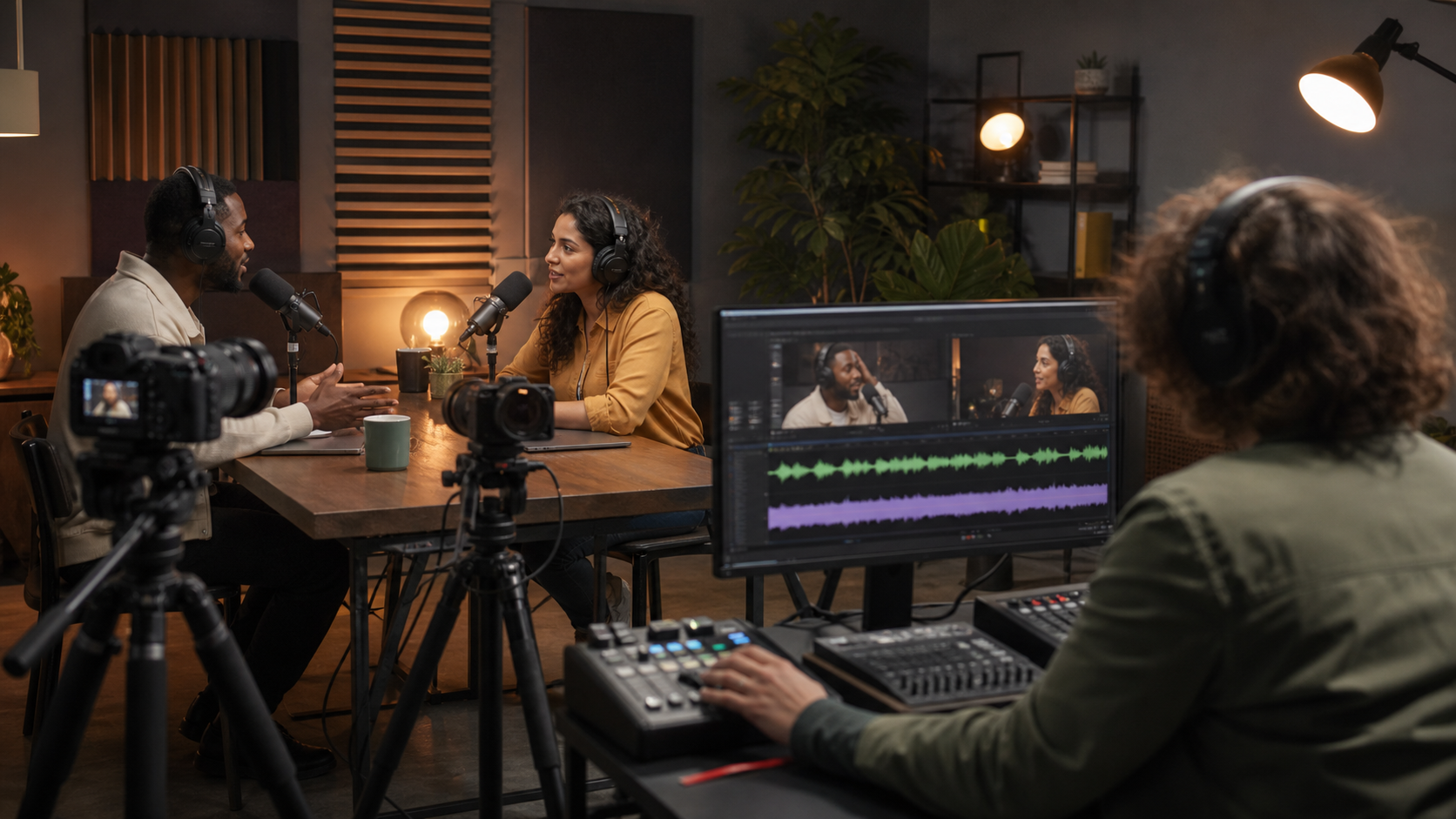
Why Digital Podcasters Are Embracing Fully Automated Audio Description
As podcasts become visual, fully automated audio description helps creators make on-screen actions, graphics, reactions, and demonstrations accessible at scale.
Read →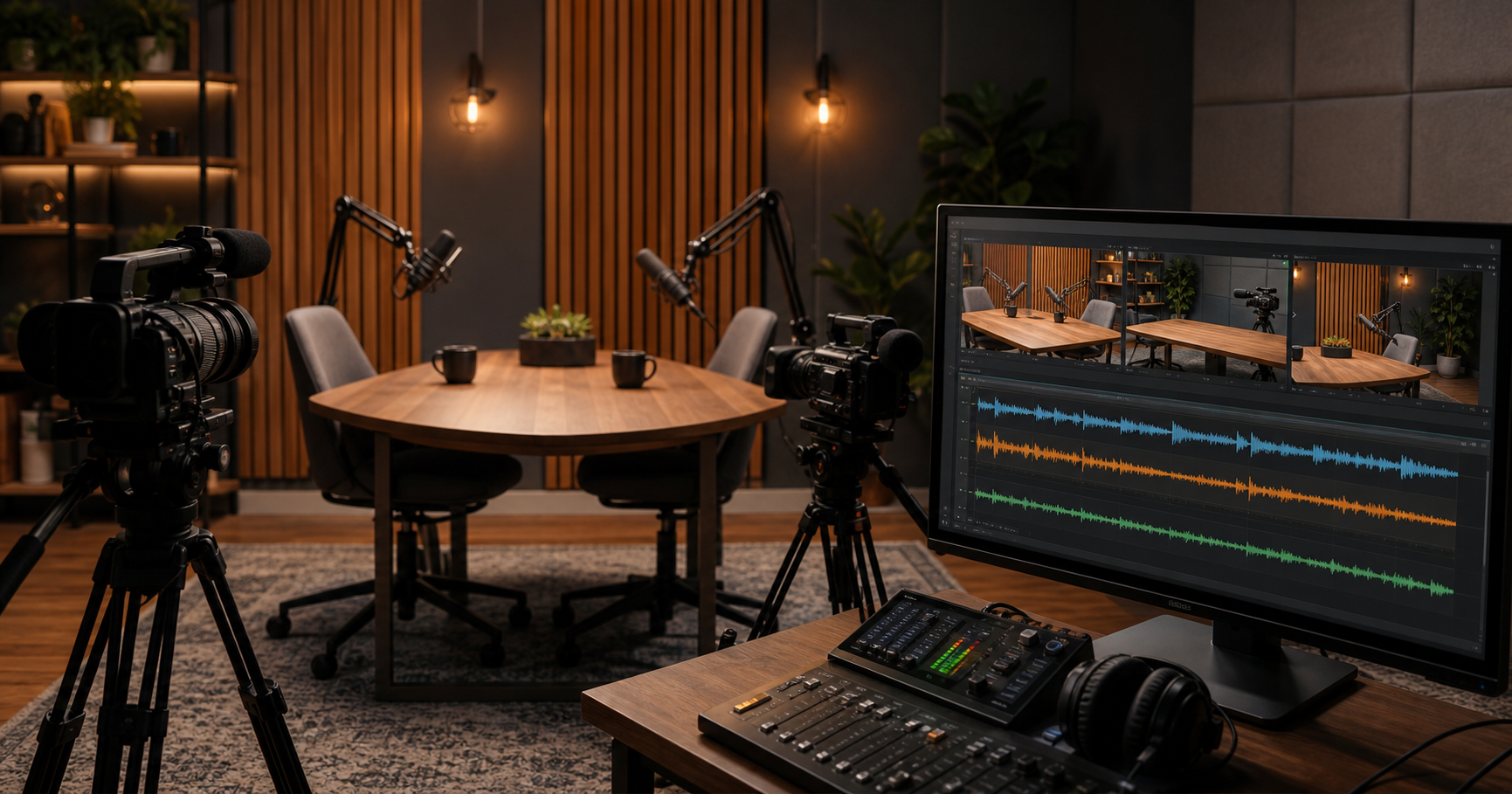
Podcaster's Guide to Audio Description: Unlocking Accessibility at Scale
A practical guide to audio description for video podcasts, covering accessibility requirements, automated workflows, multilingual output, and production.
Read →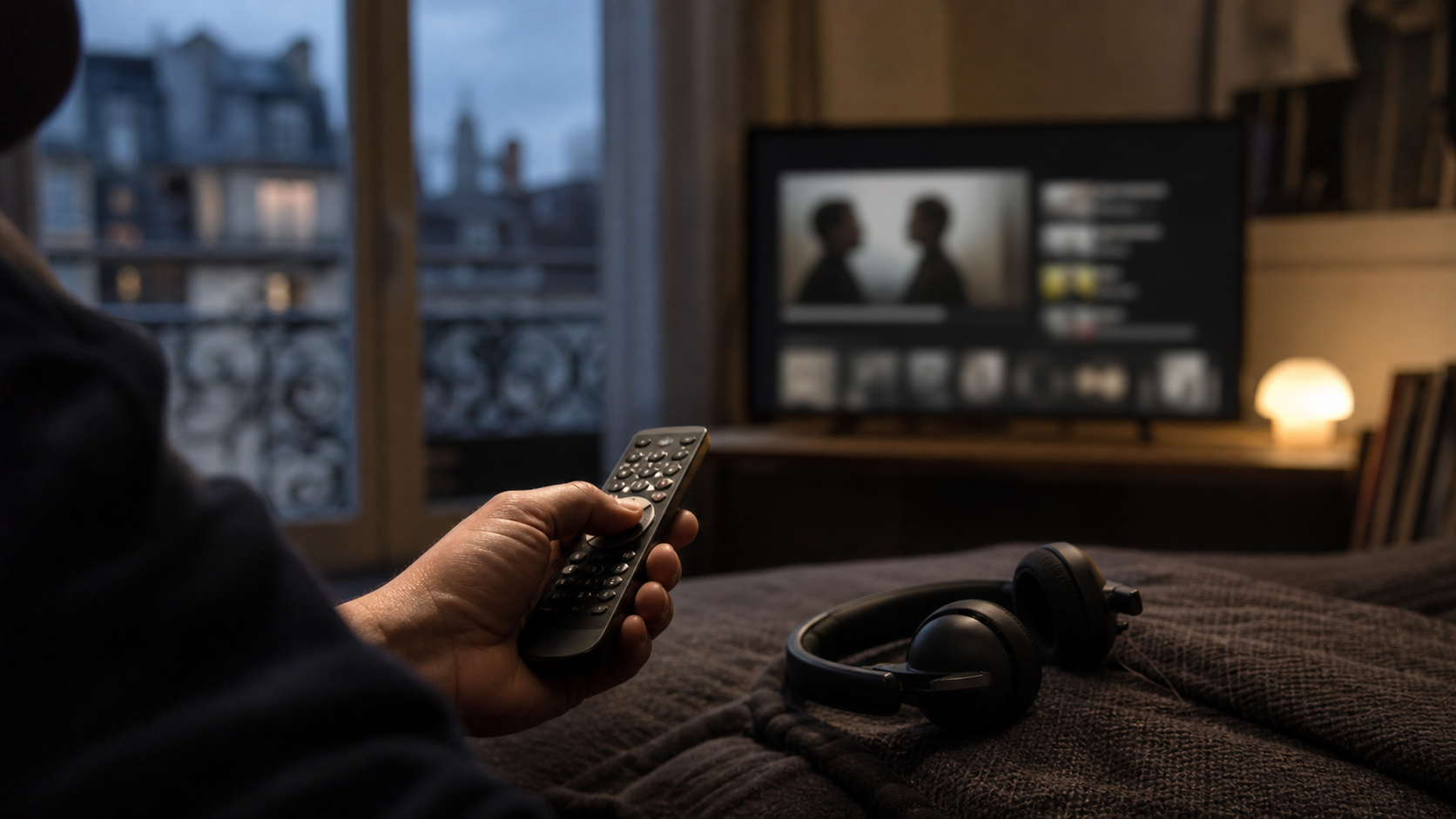
Audio Description & Digital Accessibility: France Compliance Guide
The French digital media and accessibility landscape is operating under a strict regulatory framework.
Read →Your competitors are already automating this.
Try it. What used to take your team days takes minutes here.