· Viren · Technology · 4 min read
The Complete Guide to Video Metadata Automation for Streaming Platforms: Scaling Titles, Synopses, and Summaries with AI
For modern streaming platforms, content operations teams face an invisible bottleneck.
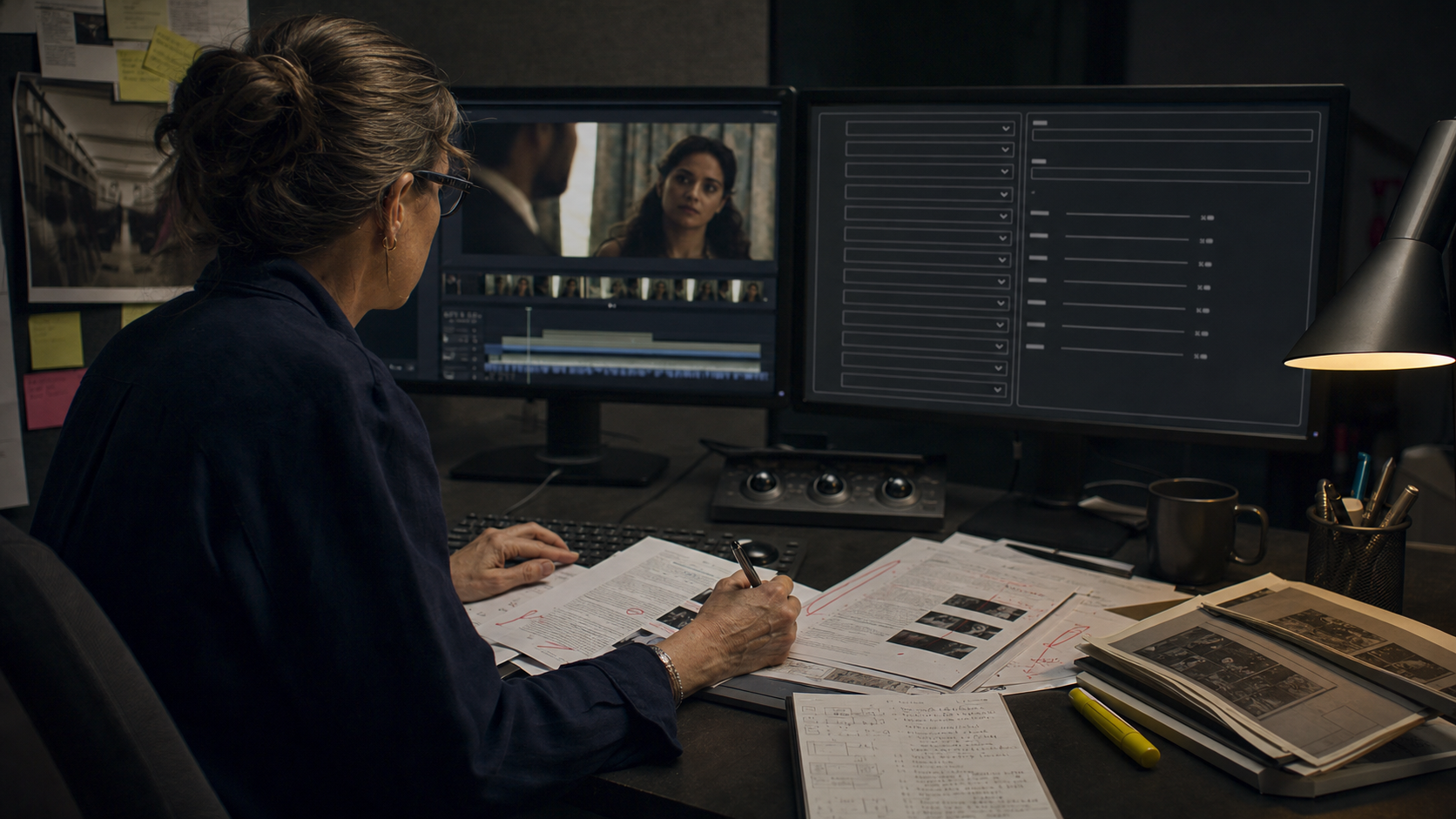
For modern streaming platforms, content operations teams face an invisible bottleneck. Every piece of content added to a catalog, whether it is an acquired indie feature, an episodic drama, or a live-to-VOD sports special, requires meticulous packaging before it can ever reach a user’s screen.
Programming teams need precise titles, compelling synopses, structured episode guides, and marketing-ready copy. Across thousands of hours of video, writing and formatting this metadata by hand is slow, repetitive, and resource-intensive.
This comprehensive guide explores how streaming platforms are transforming content metadata operations using multimodal AI-powered summarisation, moving from manual asset bottlenecks to automated, multi-format packaging pipelines.
The Metadata Bottleneck in Modern Streaming
As content libraries expand into tens of thousands of titles, the traditional metadata workflow struggles to keep pace. Consider what goes into packaging a single series:
- The Scale Problem: Multiple episodes across multiple seasons require unique descriptions, synopses, and titles tailored to different user interface surfaces.
- The Format Constraints: A homepage hero banner requires a punchy 40-character title and a short 150-character hook. An episode selection menu needs a clean 256-character synopsis. An editorial guide or archive search entry requires a deep 1,000 to 4,000-character long summary.
- The Context Gap: Relying on simple transcript-scraping tools or basic LLMs often results in generic summaries that miss visual developments, character actions, and structural narrative beats because they cannot “see” the video.
When content operations teams have to watch or skim long-form video just to write basic catalog copy, time-to-market stalls, and creative bandwidth is diverted away from curation and strategy.
What Is Multimodal Video Summarisation?
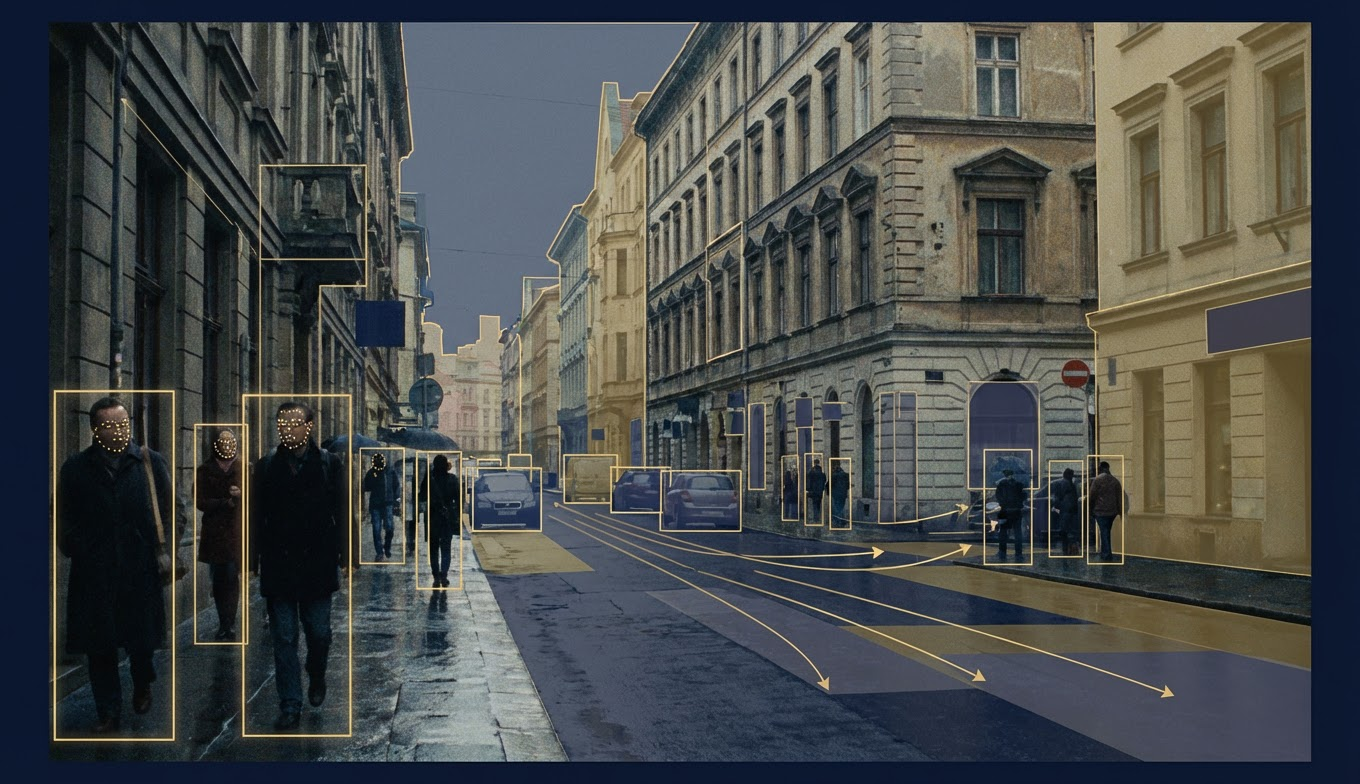
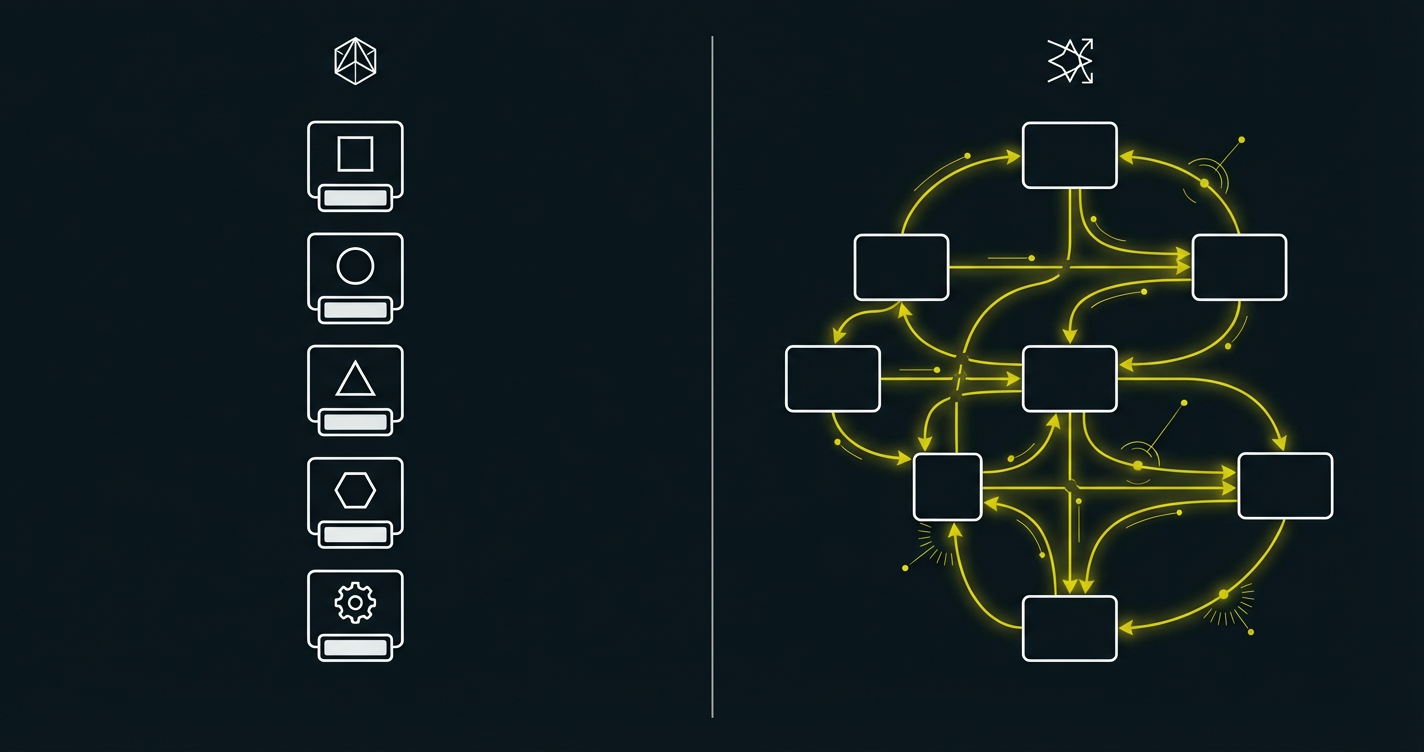
Unlike legacy text-only models that parse audio transcripts in isolation, modern multimodal AI video intelligence analyzes both visual frames and audio dialogue concurrently.
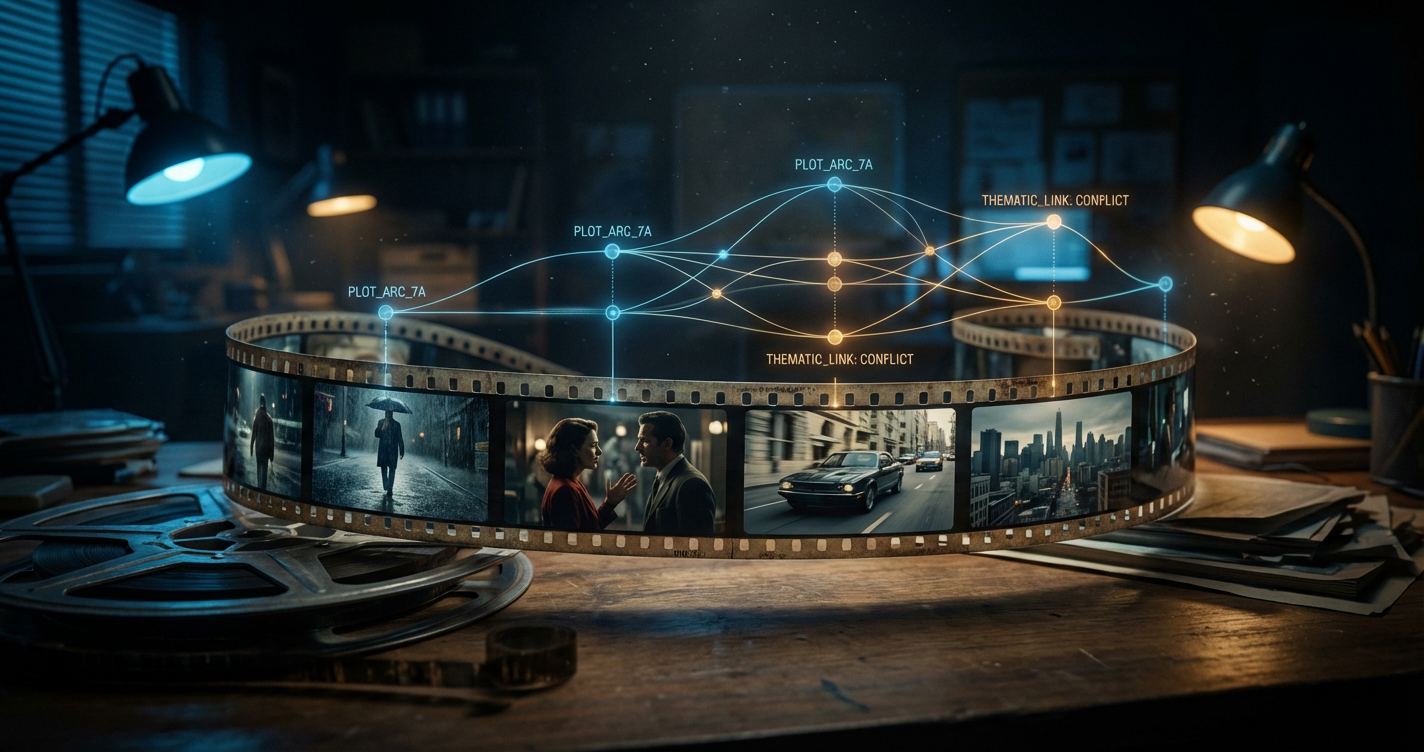
Platforms like Visonic AI Auto Summarisation ingest long-form video files and map out characters, plot arcs, structural shifts, and key events. By understanding the actual program rather than just the spoken words, the system generates accurate, context-aware text summaries designed specifically for digital publishing workflows.
Multi-Format Packaging Outputs
A true streaming metadata engine does not just return one generic paragraph. It outputs structured variations calibrated for the exact slots streaming UIs require:
- 40-char & 60-char titles: Optimized for tight tile cards and mobile navigation surfaces.
- 150-char, 200-char, & 256-char synopses: Calibrated for varying UI snippet boxes without truncation errors.
- 1,000-char & 4,000-char long summaries: Rich narrative overviews for deep-dive editorial pages, archive indexing, and press kits.
Operational Use Cases for Streaming Platforms
Integrating automated video summarisation into a streaming platform’s backend changes how content moves from ingest to live distribution:
Episode Guides and Catalog Populating
Instead of commissioning copywriters to draft descriptions for hundreds of library episodes, content operations teams can process entire seasons through an automated pipeline, generating structured episode guides and clean synopses in minutes instead of weeks.
Archive Discovery and Metadata Enrichment
Legacy catalogs often suffer from sparse metadata, making older titles difficult for users to discover via search. Automated summarisation converts unindexed archive footage into rich, searchable text assets, improving platform discovery and recommendation metrics.
Multi-Language Localization
Streaming platforms operating globally need metadata in multiple languages. Advanced summarisation engines support multilingual packaging out of the box ensuring regional catalogues launch with native-quality descriptions.
Transforming OpEx into Efficiency
For streaming operators, adopting automated metadata generation shifts operational expenditure (OpEx) away from repetitive manual drafting. Instead of spending hours watching, pausing, and rewriting copy for standard library drops, editorial teams transition into a high-level review and approval role.
The self-service cloud workflow allows teams to upload video assets, generate multi-format packages instantly, and make rapid editorial adjustments before pushing content live. What once took a team days to accomplish can now be scaled across entire catalogues in a fraction of the time.
Making Every Frame Searchable
As streaming competition intensifies, user experience hinges on frictionless discovery. Platforms that streamline their backend metadata workflows can bring content to market faster, optimize their UI surfaces with precise copy, and unlock the full value of their digital libraries.
By replacing manual bottlenecks with context-aware, multimodal AI summarisation, streaming platforms can ensure their entire catalog is indexed, packaged, and ready for discovery.
Ready to transform how your platform generates titles, synopses, and metadata? Explore Visonic AI Auto Summarisation, check out our self-service pricing plans, or get in touch with our team to discuss your catalog workflow.