· Technology · 3 min read
Computer Vision Breakthroughs Transforming Media
From visual language models to real-time scene understanding, recent computer vision advances are reshaping how media companies create, analyze, and distribute content.
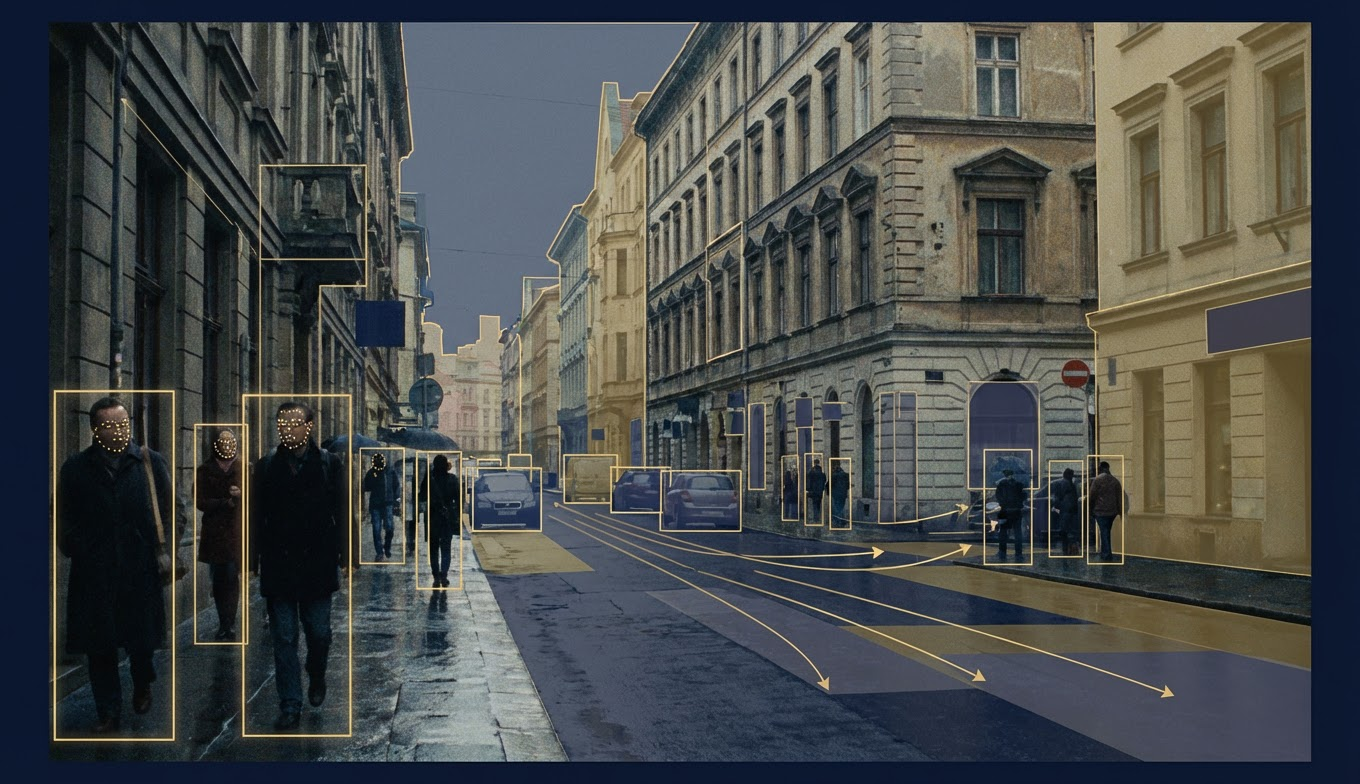
Computer vision has undergone a revolution in the past two years. The technology that once struggled to reliably identify objects in photographs can now understand complex scenes in motion, read emotional subtext, and generate natural language descriptions of what it sees. For the media industry, these advances are not incremental improvements. They represent a fundamental shift in what is possible.
Visual Language Models: Seeing and Speaking
The most significant breakthrough is the emergence of visual language models (VLMs), systems that combine visual understanding with language capabilities. Unlike traditional computer vision that outputs labels or bounding boxes, VLMs can engage in natural conversation about visual content.
What this means for media:
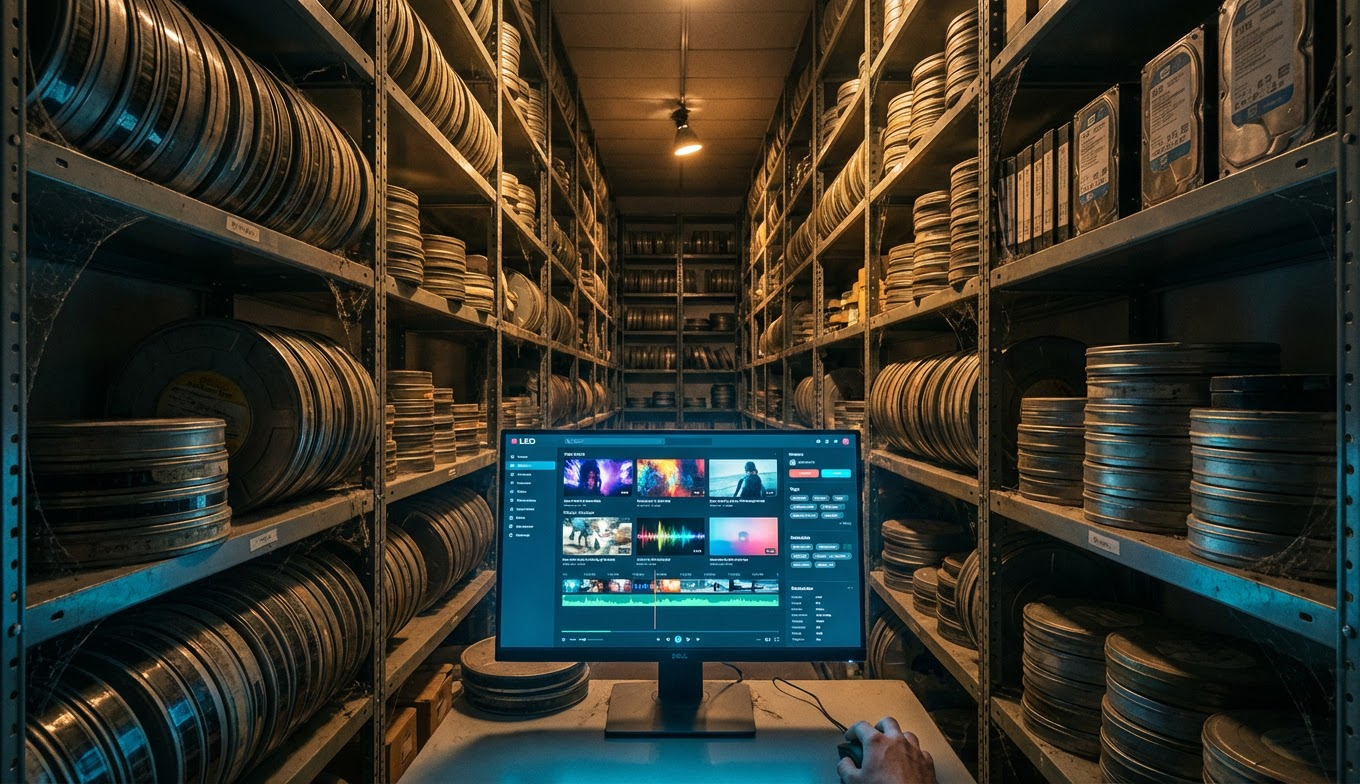
- Natural language queries over video archives (“Find all scenes with two characters arguing outdoors”)
- Automated generation of content descriptions, summaries, and metadata
- Quality control that understands creative intent, not just technical specifications
Scene Understanding at Depth
Modern computer vision does not just identify objects. It understands scenes holistically:
- Spatial relationships: Characters’ positions relative to each other and their environment
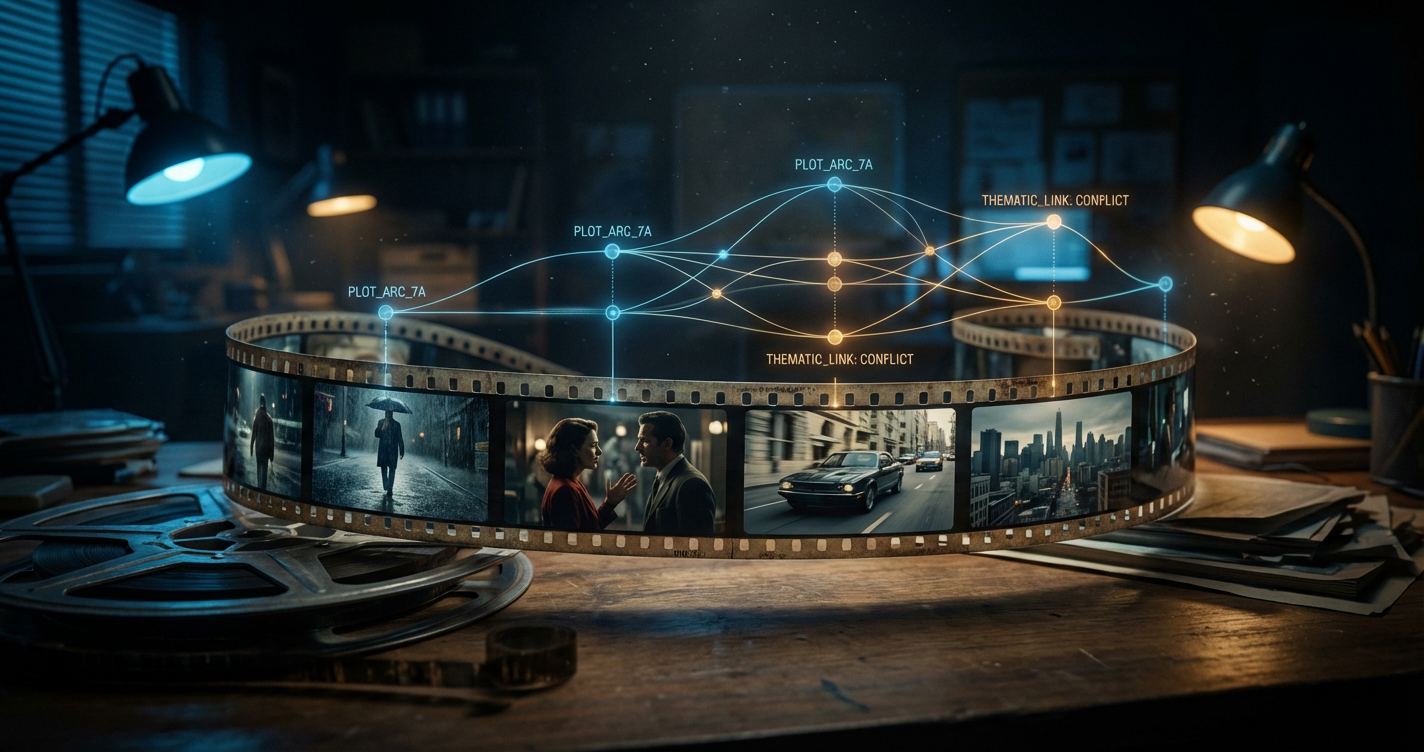
- Temporal dynamics: How scenes evolve over time, tracking actions and interactions
- Contextual reasoning: Understanding that a character running through rain at a wedding conveys different emotion than running through rain during an action sequence
- Aesthetic analysis: Recognizing shot composition, lighting mood, color palettes
Action Recognition and Activity Understanding
Beyond static scene analysis, computer vision now excels at understanding what is happening:
- Fine-grained action recognition: Distinguishing between a wave, a salute, and someone swatting a fly
- Complex activity understanding: Following multi-step activities like cooking, fighting, or performing surgery
- Interaction modeling: Understanding how multiple agents interact within a scene
For media applications, this enables automatic detection of content types, scene categorization, and activity-based search.
Object Detection and Tracking Across Long Sequences
Character and object tracking across extended content has improved dramatically:
- Re-identification: Recognizing the same person across different scenes, outfits, and lighting conditions
- Persistent tracking: Maintaining identity across cuts, occlusions, and scene changes
- Attribute recognition: Tracking changes in character appearance, emotional state, and behavior over time
Facial Expression and Emotion Recognition
Modern systems can read subtle emotional cues:
- Micro-expressions: Brief, involuntary facial movements that convey hidden emotions
- Contextual emotion: Understanding that the same facial expression means different things in different situations
- Cultural sensitivity: Recognizing that emotional expression varies across cultures
Text and Graphics Recognition (OCR+)
On-screen text recognition has moved far beyond basic OCR:
- Scene text: Reading text in natural environments (signs, labels, documents)
- Graphics interpretation: Understanding charts, maps, and infographics
- Overlay detection: Recognizing and reading titles, credits, chyrons, and watermarks
Real-World Applications in Media
Content Intelligence
Media companies use computer vision to automatically catalog, tag, and organize vast content libraries. What previously required teams of human loggers can now be done automatically at scale.
Accessibility
Computer vision powers automated audio description, sign language recognition, and visual content adaptation for people with disabilities. The ability to understand what is on screen, and what matters, is the foundation of AI-powered accessibility.
Quality Control
Automated QC systems detect technical issues (black frames, audio sync problems, color errors) and creative compliance issues (brand guideline adherence, content rating verification).
Content Moderation
Visual understanding at scale enables automated detection of inappropriate content, copyright violations, and brand safety concerns.
Advertising and Monetization
Scene-level understanding enables contextual advertising, product placement measurement, and sponsorship verification.
What Comes Next
The trajectory is clear: computer vision is moving from understanding individual frames to understanding narrative, from recognizing objects to understanding their significance, from technical analysis to creative comprehension.
For media companies, this means tools that understand content the way humans do, and can process it at a scale no human team could match. The organizations that integrate these capabilities into their workflows now will have a significant competitive advantage as the technology continues to mature.