
· Guides
What Is Audio Description? Guide for Media Companies
Audio description makes video content accessible to visually impaired audiences. This comprehensive guide covers how it works, why it matters, and what media companies need to know.


Articles tagged accessibility.
Audio description makes video content accessible to visually impaired audiences. This comprehensive guide covers how it works, why it matters, and what media companies need to know.

The European Accessibility Act took effect in June 2025. Here is what media companies and broadcasters need to know about audio description compliance, penalties, and how to prepare.

Lawsuits, penalties, and lost revenue. The cost of not providing audio description is growing fast. Here are the numbers every media executive should know.

The ADA Title II digital accessibility deadline hits April 2026. Here is a practical compliance checklist for public entities that need to add audio description to their video content.

A comprehensive guide to audio description and video accessibility regulations across the US, EU, UK, Canada, Australia, and beyond. Know what applies to your market.
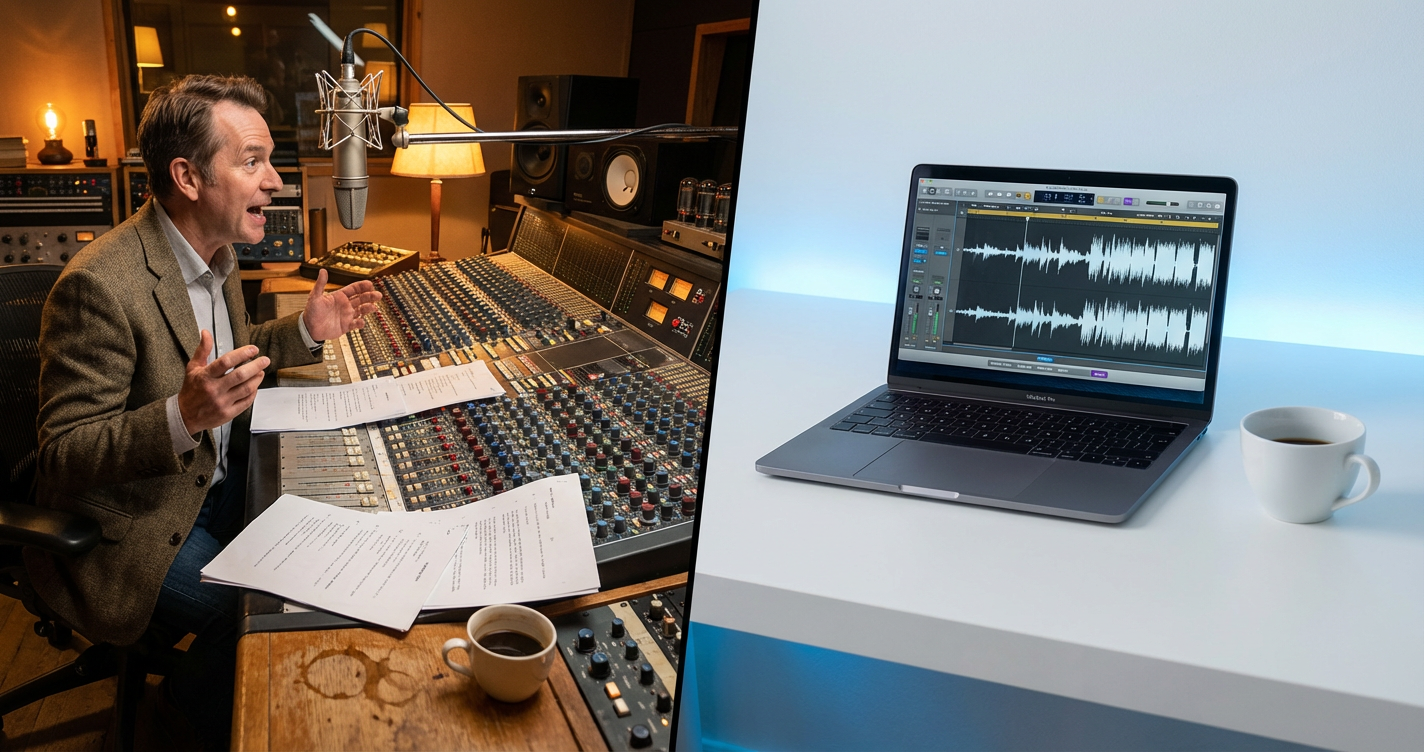
Manual audio description costs $15-50 per finished minute. AI-powered AD costs $5-15, with optional human QC bringing the total to $5-20. Here is a detailed cost comparison to help media companies make the right investment decision.