· Industry · 4 min read
The True Cost of Audio Description: AI vs. Manual in 2026
Manual audio description costs $15-50 per finished minute. AI-powered AD costs $5-15, with optional human QC bringing the total to $5-20. Here is a detailed cost comparison to help media companies make the right investment decision.
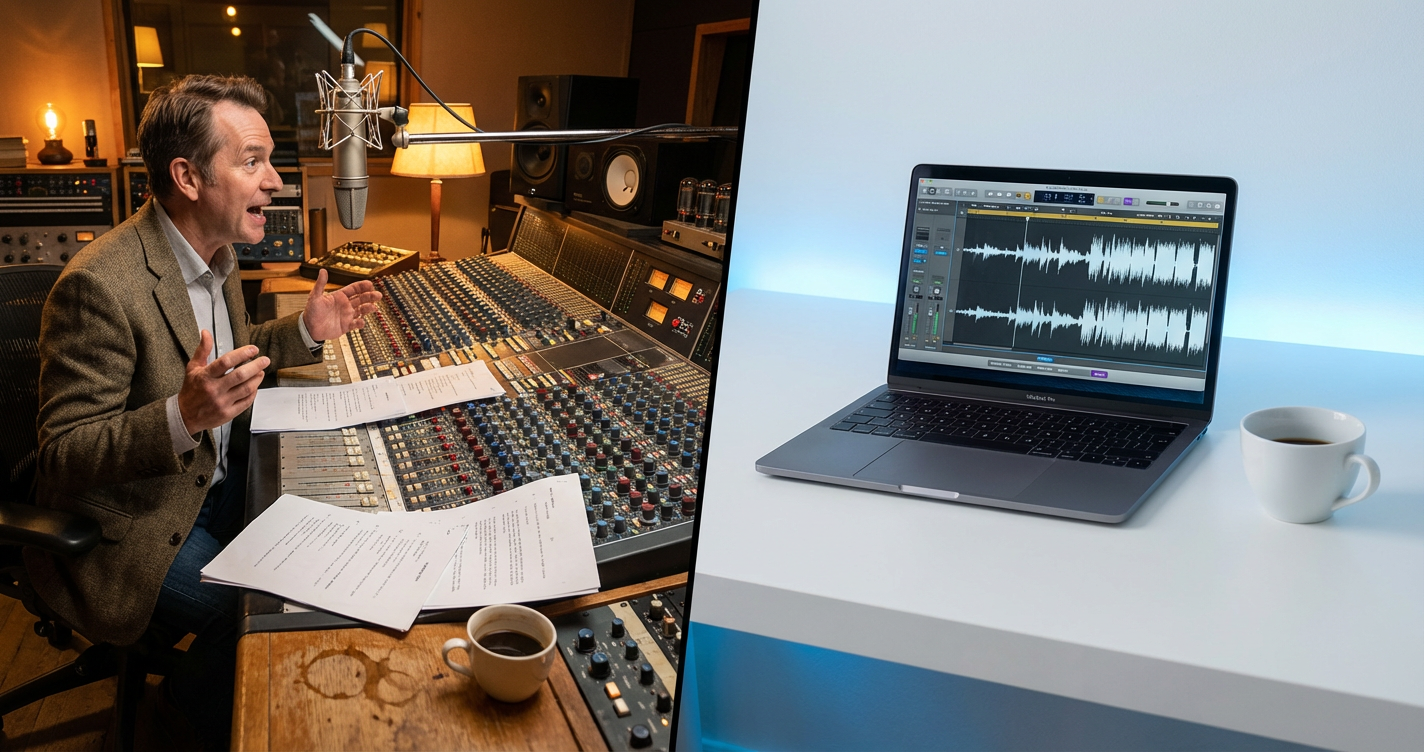
When a media company needs to add audio description to its content, the first question is always about cost. The answer has changed dramatically with the arrival of AI-powered solutions. Here is a transparent comparison of what audio description actually costs in 2026.
Manual Audio Description: The Traditional Approach
Traditional audio description involves a multi-step human process:
The Workflow
- Screening: A describer watches the content multiple times (2–4 hours per hour of content)
- Script writing: A skilled writer drafts descriptions timed to fit between dialogue (4–8 hours per hour of content)
- Review: A second describer or QC specialist reviews the script (1–2 hours per hour of content)
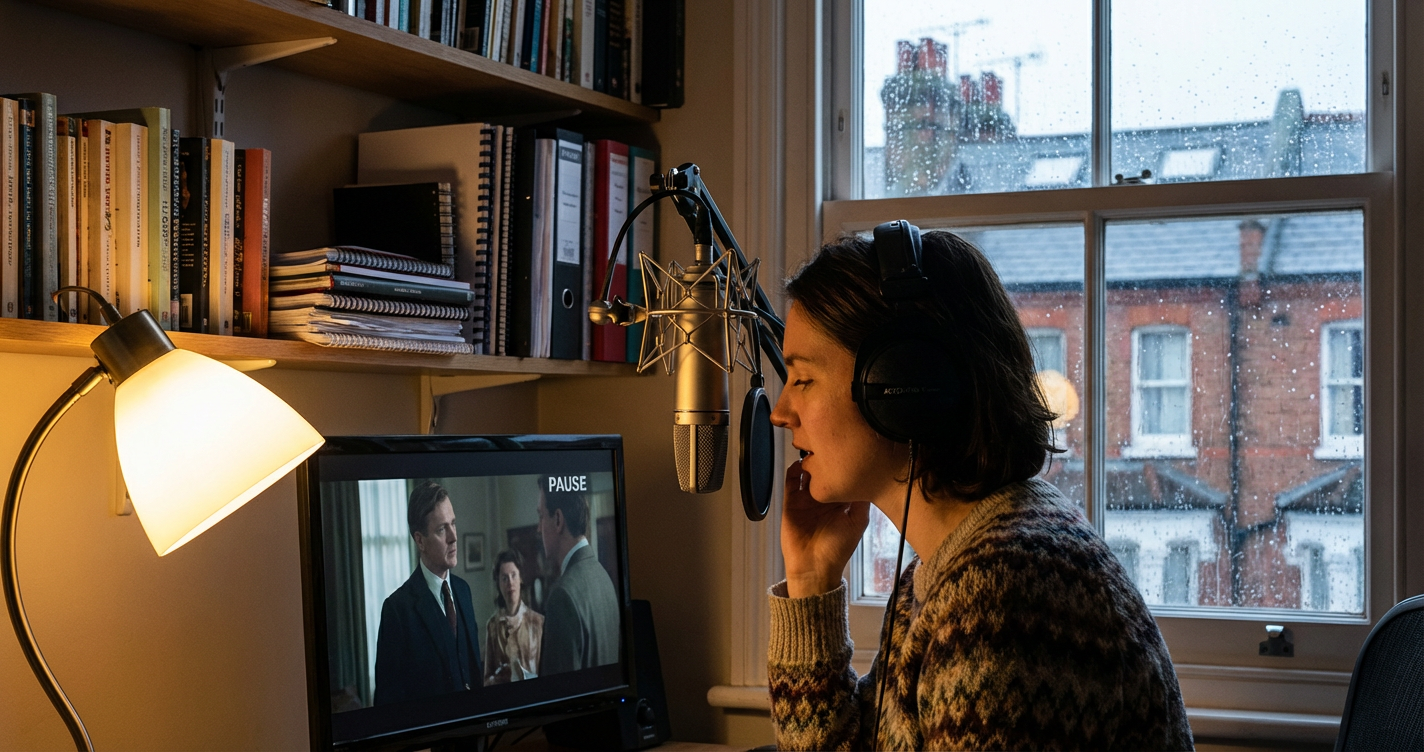
- Recording: A voice artist records the description in a studio (1–2 hours per hour of content)
- Mixing: An audio engineer mixes the AD track with the original audio (1–2 hours per hour of content)
- Final QC: The complete product is reviewed for accuracy and timing (1 hour per hour of content)
Cost Breakdown
| Cost Component | Range (per finished minute) |
|---|---|
| Script writing | $8–20 |
| Voice talent | $3–15 |
| Studio and mixing | $2–8 |
| QC and review | $2–7 |
| Total | $15–50 |
Premium providers (theatrical releases, major streaming content) charge at the higher end. Budget options exist at the lower end but often compromise on quality.
Turnaround Time
- Standard: 2–4 weeks per hour of content
- Rush: 1–2 weeks (typically at premium pricing)
- Capacity constraints: Most AD providers have limited capacity; during peak demand, timelines stretch further
AI-Powered Audio Description: The New Economics
AI audio description fundamentally changes the cost structure by automating the most time-intensive steps.
The Workflow
- Upload: Content is uploaded to the AI platform
- AI analysis: Multimodal AI analyzes visual content, audio track, and timing
- Description generation: AI generates timed descriptions in natural language
- Voice synthesis: AI generates high-quality synthetic narration (or routes to human voice talent)
- QC review: Optional human review for quality assurance
Cost Breakdown
| Cost Component | Range (per finished minute) |
|---|---|
| AI processing | $5-15 |
| Optional human QC | $0-5 |
| Total | $5-20 |
Turnaround Time
- Standard: Hours, not weeks
- At scale: Process hundreds of hours per day
- No capacity constraints: AI scales horizontally
The Real Comparison: Total Cost of Ownership
The per-minute cost tells only part of the story. For media companies evaluating AD solutions, total cost of ownership includes:
Content Library Scale
| Library Size | Manual AD Cost | AI AD Cost | Savings |
|---|---|---|---|
| 100 hours | $90,000-300,000 | $30,000-120,000 | 60-87% |
| 1,000 hours | $900,000-3,000,000 | $300,000-1,200,000 | 60-87% |
| 10,000 hours | $9,000,000-30,000,000 | $3,000,000-12,000,000 | 60-87% |
At scale, the economics become overwhelming. A streaming platform with 10,000 hours of content simply cannot achieve full AD coverage with manual methods. The cost would exceed most accessibility budgets by an order of magnitude.
Multi-Language Multiplier
If your content serves multiple markets, each language requires a separate AD track:
- Manual: Each language multiplies the full cost (new script, new voice talent, new recording)
- AI: Additional languages add marginal cost (15–30% per additional language)
For a company serving 5 EU markets, AI-powered multi-language AD can cost less than manual AD in a single language.
Ongoing Production
New content requires ongoing AD production. AI integrates into production workflows, generating AD as part of the standard delivery pipeline rather than as a separate, delayed process.
When Manual AD Still Makes Sense
AI audio description is not the right choice for every situation:
- Prestige content: Award-contending films may benefit from expert human description
- Complex artistic content: Experimental cinema, dense visual art, or content requiring deep cultural knowledge
- Live events: Real-time AD for live broadcasts has different requirements (though AI is advancing here too)
For the vast majority of content (series episodes, documentaries, news programming, educational content, corporate video) AI provides quality that meets professional standards at a fraction of the cost.
Making the Decision
The question is not whether AI audio description is “good enough.” The question is whether your organization can achieve accessibility compliance at the scale required using manual methods alone.
For most media companies, the answer is no, and AI-powered audio description is the practical path to making their content accessible to everyone.
See the economics for yourself. Try the Visonic AI audio description generator with a free account. Upload a video and compare the cost, turnaround, and quality against your current workflow.