· Visonic AI Insights Team · Industry · 3 min read
Empowering the Audio Describer: How Freelancers Are Using AI to Scale Their Impact and Revenue
How freelance audio describers and boutique AD agencies are using AI to automate time-consuming production steps, win larger contracts, expand multilingual services, and improve margins.
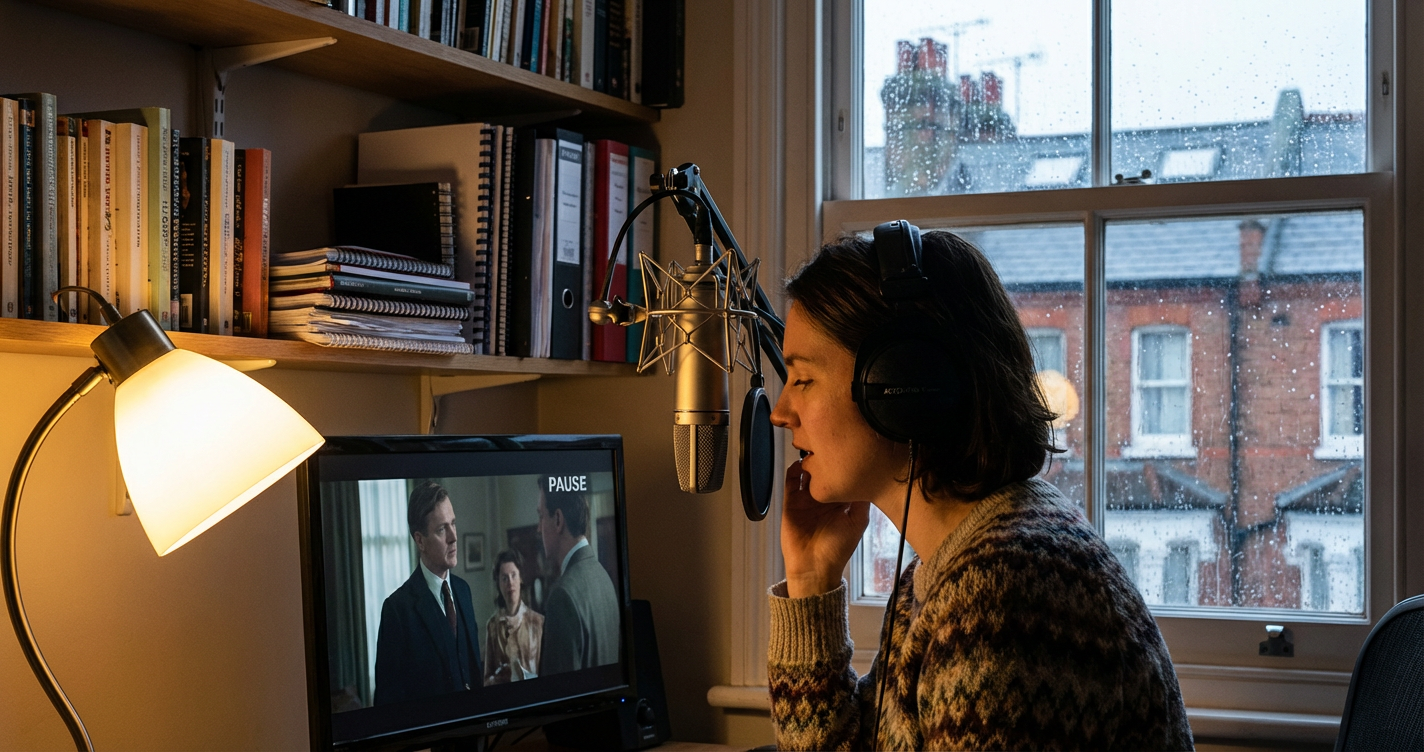
Audio description is a meticulous and highly skilled craft. For decades, freelance audio describers and boutique AD agencies have dedicated themselves to the incredibly detailed work of watching content, spotting exact timecodes, writing scripts that perfectly match silent gaps, and coordinating voice talent. Because this manual process can demand 8 to 12 hours of focused labor for a single hour of finished video, a describer’s capacity has historically been constrained by the sheer number of hours in a week.
Today, many talented audio describers are finding new ways to scale their expertise. By integrating AI platforms like Visonic AI into their workflows, freelancers are using automation as a productivity multiplier. This allows them to focus on the creative aspects of their work while significantly increasing their business capacity.
Here is how audio description professionals are utilizing AI to scale their services and revenue.
1. Increasing Throughput by Automating the Heavy Lifting
In a traditional workflow, a describer might comfortably complete a few hours of finished AD per week. The most time-consuming phases, such as mapping silent periods and creating baseline speech-to-text transcriptions, often take up the majority of the project timeline.
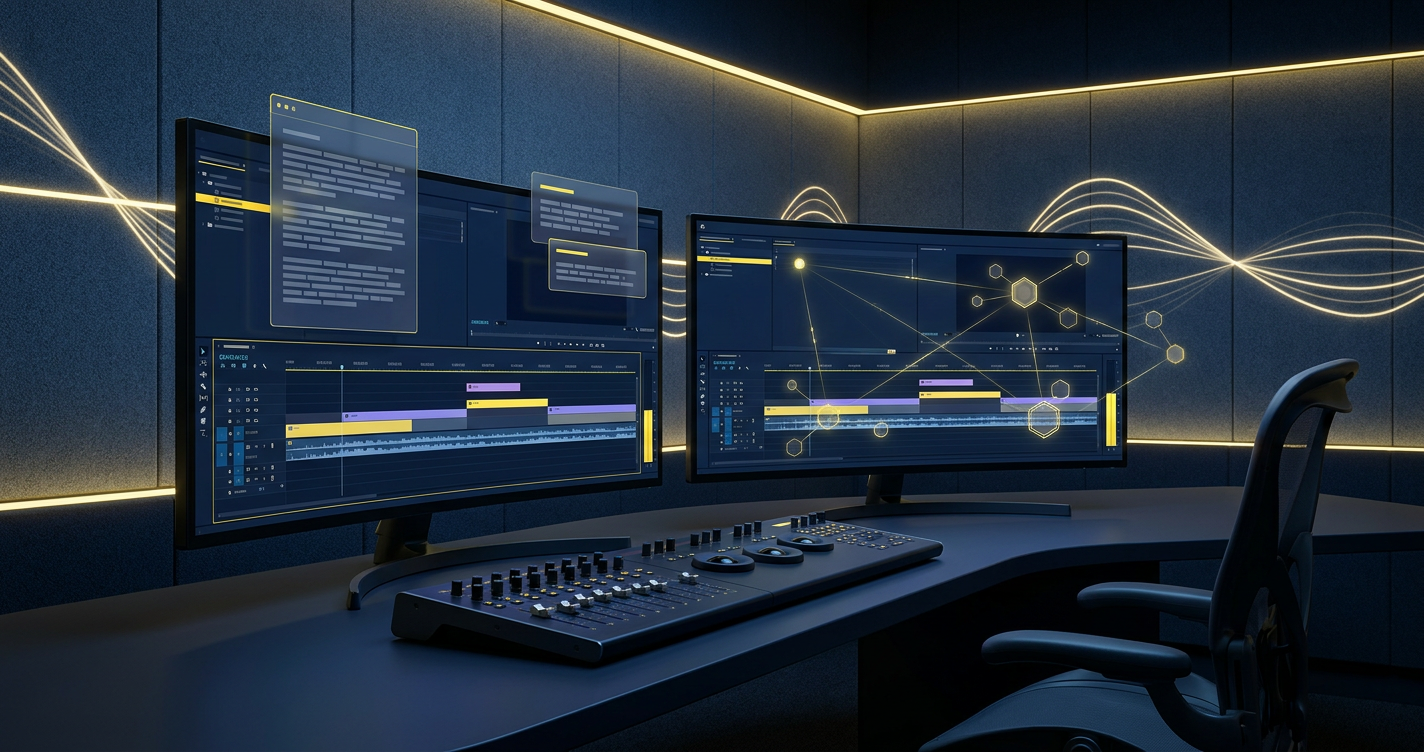
By running videos through an AI platform first, the machine handles these foundational steps by mapping gaps and generating a baseline script. The describer can then step directly into the high-value role of editor and creative director. Refining a generated script and perfecting the timing takes a fraction of the time compared to starting from scratch, allowing a single describer to comfortably process significantly more hours of video per week.
2. Competing for Larger Catalog Contracts
When an educational institution or streaming platform needs hundreds of hours of catalog content described quickly to meet new accessibility mandates, they often bypass individual freelancers in favor of large localization agencies due to turnaround requirements.
With AI assisting the workflow, freelance describers can now confidently bid on higher-volume contracts. By guaranteeing faster delivery times, individual describers can leverage their high-quality expertise to compete for and win enterprise-level catalog work.
3. Expanding Services with Multilingual Capabilities
Historically, expanding a service offering into multiple languages required hiring translators and international voice talent. This added complexity and cost to a project.
Platforms like Visonic AI support native localization across multiple languages. The system rapidly generates multilingual scripts in the chosen language. The freelance describer can then hand these localized drafts directly to their outsourced translation resources. By providing a head start to their global team, a solo describer can offer a comprehensive global accessibility package without significantly increasing production overhead.
4. Streamlining the Voice Production Process
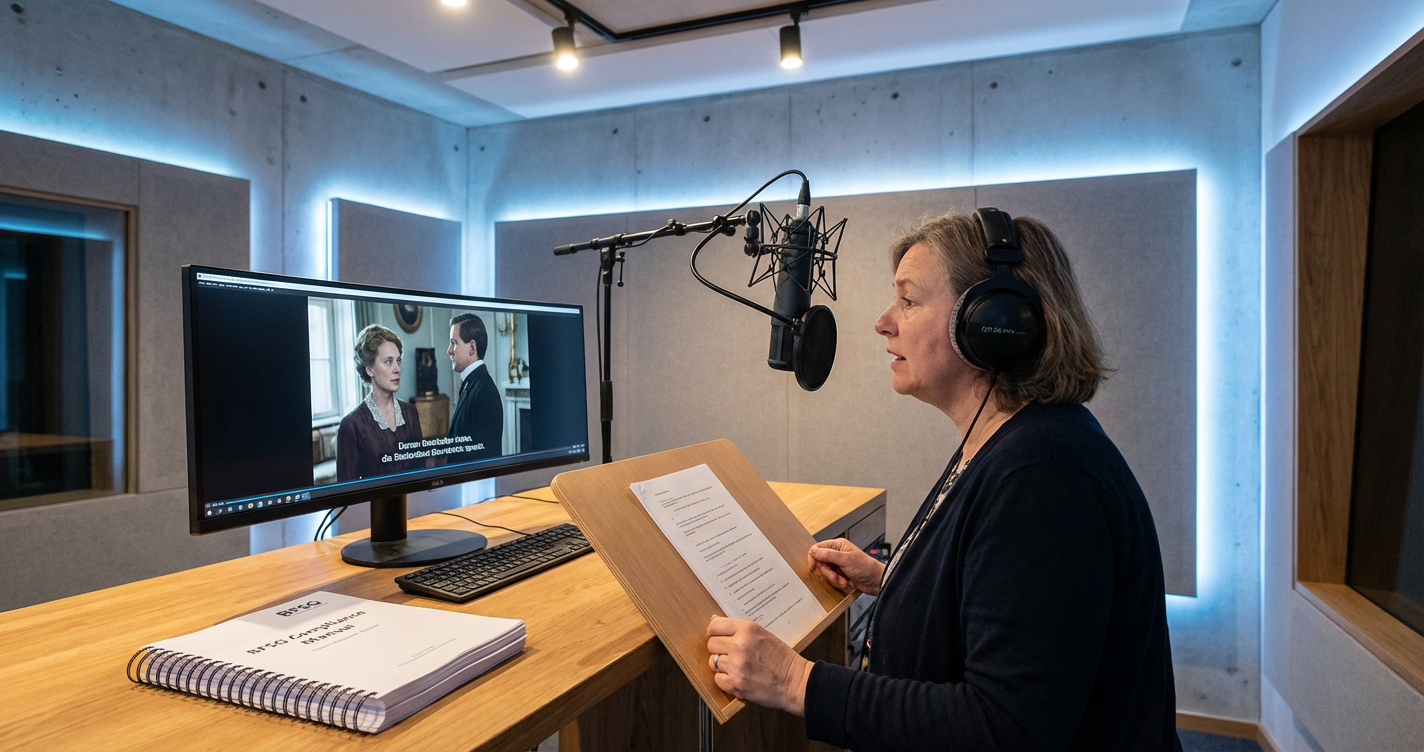
Traditionally, a describer must either record the audio themselves or hire professional voice talent. Both of these options involve scheduling, studio time, and additional costs. High-quality synthetic AI voices provide a streamlined alternative for clients with tighter budgets or rapid turnaround needs. By offering automated voice synthesis as an option, describers can keep their production costs predictable and increase their overall project margins.
The Verdict: AI as a Tool for the Craftsman
The audio description industry is evolving, and automation is proving to be a powerful tool for the dedicated professional. By allowing AI to handle the tedious logistical steps, describers are freeing themselves to focus on the art of description, take on larger projects, and scale their businesses on their own terms.