· Technology · 3 min read
Generative AI in Video Production: What Media Companies Should Know in 2026
From AI-generated b-roll to synthetic voices, generative AI is reshaping video production. Here is a practical assessment of what works, what does not, and what it means for media workflows.
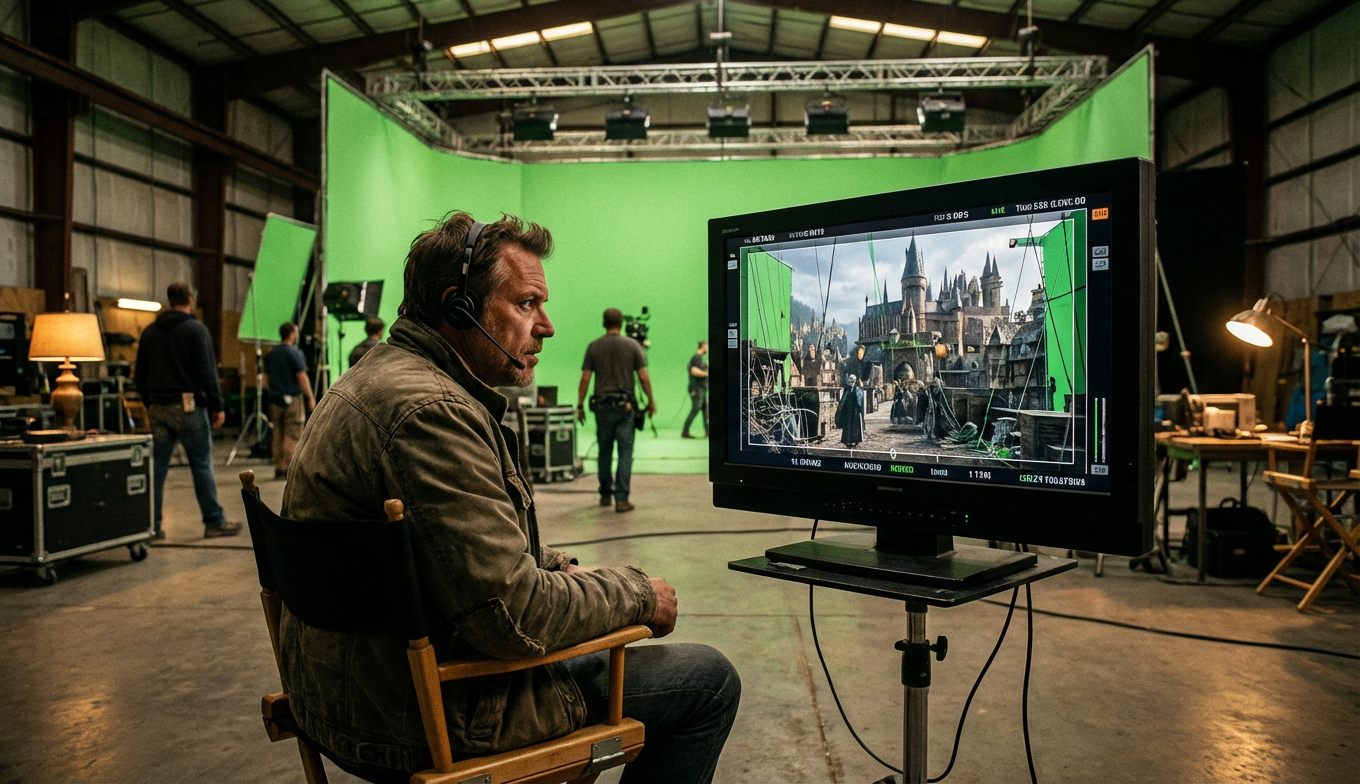
Generative AI for video has moved from impressive demos to practical production tools. But the gap between what is technically possible and what is production-ready remains significant. Here is an honest assessment of where generative AI stands for media companies in 2026.
What Works Today
AI-Generated Voiceovers and Narration
Text-to-speech technology has reached the point where synthetic voices are difficult to distinguish from human narration in many contexts. This is particularly valuable for:
- Audio description narration: Generating AD voice tracks in multiple languages
- Corporate and educational content: Narrating training videos, explainers, and documentation
- Localization: Generating dubbed audio that matches lip movements
The quality is sufficient for production use in these contexts, though premium entertainment content often still uses human voice talent for creative reasons.
AI-Assisted Editing
AI tools integrated into professional editing software (Premiere Pro, DaVinci Resolve) offer practical productivity gains:
- Scene detection: Automatically identify and segment scenes in long-form content
- Transcript-based editing: Edit video by editing the text transcript
- Smart reframing: Automatically reframe horizontal content for vertical platforms
- Color matching: Match color grades across clips from different sources
- Audio cleanup: Remove background noise, enhance dialogue clarity
Automated Subtitling and Captioning
AI-powered transcription and translation for subtitles has reached human parity for clean audio in major languages. Real-time captioning for live content is also increasingly reliable.
B-Roll and Stock Footage
AI-generated imagery is increasingly viable for:
- Background footage and establishing shots
- Abstract visualizations and motion graphics
- Placeholder footage during pre-production
Content Repurposing
AI excels at adapting content across formats:
- Extracting highlight clips from long-form content
- Generating vertical cuts from horizontal content
- Creating social media teasers from full episodes
What Is Improving Rapidly
Video Generation from Text
Text-to-video models can produce short clips that are increasingly photorealistic. Current capabilities:
- 5–15 second clips with consistent motion and physics
- Specific style control (cinematic, documentary, animated)
- Character consistency within a single generation
Current limitations:
- Extended sequences (30+ seconds) remain inconsistent
- Fine-grained control over specific actions is limited
- Human faces and hands still occasionally show artifacts
- Generated content requires disclosure and may face legal challenges around copyright
AI Dubbing with Lip Sync
Synthetic dubbing that matches lip movements to translated dialogue is improving. Several companies offer production-quality dubbing in 20+ languages, though quality varies by language pair and speaking speed.
Visual Effects Assistance
AI is being used to accelerate specific VFX tasks:
- Rotoscoping (isolating objects from backgrounds)
- Object removal and insertion
- Background extension and replacement
- De-aging and appearance modification
These tools assist VFX artists rather than replacing them, reducing time on mechanical tasks.
What Media Companies Should Do
1. Integrate AI Into Existing Workflows
The highest-value AI applications augment human teams rather than replace them:
- Use AI for first-pass editing, let humans refine
- Generate AI metadata and let editors verify
- Produce AI audio descriptions and let QC teams review
2. Establish Clear Policies
- Disclosure: When and how to disclose AI-generated content
- Quality standards: Minimum thresholds for AI-generated assets
- Rights and licensing: Understand intellectual property implications
- Labor relations: Engage with talent guilds and unions proactively
3. Start with Low-Risk Applications
Begin with applications where AI excels and risk is low:
- Accessibility features (captions, audio description)
- Internal tools (transcript-based search, metadata generation)
- Production efficiency (scene detection, smart reframing)
4. Measure Impact
Track concrete metrics:
- Time saved per production hour
- Cost reduction per deliverable
- Quality scores compared to fully manual workflows
- Viewer feedback on AI-assisted content
The Bottom Line
Generative AI is not replacing video production. It is restructuring it. The mechanical, repetitive aspects of production are being automated. The creative, strategic, and editorial aspects remain human.
For media companies, the practical opportunity is in workflow efficiency: doing the same work faster and cheaper, or doing work that was previously too expensive to do at all (like comprehensive audio description across entire content libraries).
The organizations that integrate AI thoughtfully into their production pipelines now will be better positioned as the technology continues to mature.